
On August 13 2026, Dr. Junaidu Maina FCVSN was the keynote speaker at the 6th Convocation and 8th Investiture Ceremony of the Post Graduate College of Veterinary Surgeons Nigeria held at the A.I Abdulkadir Auditorium, National Universities Commission, Maitama Abuja, Nigeria.
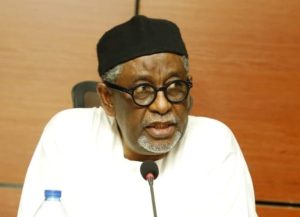
The keynote speech centered on the theme: Building a Resilient and Globally Competitive Livestock Industry: The Strategic Role of Veterinary Specialists in Nigeria.
Read an extract from the speech below as delivered by the former Chief Veterinary Officer of Nigeria.
Building a Resilient and Globally Competitive Livestock Industry: The Strategic Role of Veterinary Specialists in Nigeria
It is a privilege and an honour to deliver the keynote address at the 6th Convocation and 8th Investiture Ceremony of the Postgraduate College of Veterinary Surgeons Nigeria.
As we celebrate our new Fellows and specialists, we are also celebrating the future of veterinary medicine and its growing importance to Nigeria’s development.
Nigeria is at a defining moment in its livestock history. The establishment of the Federal Ministry of Livestock Development presents a once-in-a-generation opportunity to reposition livestock as a strategic driver of food security, economic diversification, employment, public health, trade, exports and national prosperity.
Livestock is far more than a source of food. It sustains millions of livelihoods, supports industries, creates wealth and contributes significantly to economic growth.
The fundamental question is therefore: How can Nigeria build a resilient and globally competitive livestock industry—and what role must veterinary specialists play in making that vision a reality?
Defining resilience and competitiveness
A resilient livestock industry must be able to anticipate, prevent, withstand, adapt to and recover rapidly from disease outbreaks, environmental and climate stresses, market disruptions and other shocks.
At the same time, it must consistently produce safe, high-quality livestock and livestock products that meet national and international standards, including animal-health, food-safety, quality-assurance and sanitary and phytosanitary (SPS) requirements.
Nigeria possesses many of the ingredients for success: abundant livestock resources, a large domestic market, about 12,500 veterinarians, and thousands of other livestock professionals and paraprofessionals.
Yet the sector continues to perform below its enormous potential.
The challenge is not simply a lack of resources or expertise. It is the need for stronger institutions, coordinated policies, sustained investment, modern infrastructure, effective delivery systems and greater professional leadership.
Five barriers to sustainable transformation
1. Too many diseases- Preventable diseases reduce productivity, threaten livelihoods, restrict trade and discourage investment. Veterinary specialists must lead disease prevention, biosecurity, vaccination, surveillance and early response.
2. Too little infrastructure- Weak laboratories, inadequate cold-chain systems, limited extension services, few modern abattoirs and weak animal identification and traceability systems undermine animal health, food safety and competitiveness.
3. Too few standards- Fragmented value chains and failure to consistently meet international standards limit market access. Veterinary expertise is essential in meat, dairy, poultry, leather, vaccines, food safety, certification and traceability.
4. Too much climate stress- Droughts, floods, feed and fodder shortages and changing disease patterns demand more resilient production and veterinary systems.
5. Too many fragmented policies- Overlapping mandates and weak coordination reduce impact. Veterinary specialists must help bridge institutions, disciplines and sectors.
These challenges are interconnected. Addressing them requires strong leadership—and veterinary specialists must be part of that leadership.
Preparedness is the foundation of resilience
One lesson has stayed with me throughout my career:
“Strong veterinary systems are not built during crises—they are built before crises occur.”
I witnessed this firsthand.
In 2004, during the Second Investiture Ceremony of the College, I was serving as President of the Veterinary Council of Nigeria. President of Nigeria challenged the veterinary profession to prepare Nigeria for the threat of High Pathogenicity Avian Influenza (HPAI).
We took that challenge seriously.
In 2005, the Federal Department of Livestock Services assembled veterinary specialists to develop Nigeria’s HPAI Emergency Preparedness and Response Plan.
When HPAI arrived in Nigeria in 2006, we did not start from scratch. We activated a plan that was already prepared.
That experience demonstrated the value of preparedness, strong institutions and specialist leadership.
Preparedness saves time, resources and livelihoods—and ultimately saves lives.
The 21st-century veterinary specialist
The veterinary specialist of the 21st century is no longer simply a clinician.
The specialist must be an architect of livestock transformation—a strategic leader, innovator, problem-solver and guardian of public trust.
As the saying goes:
“Titles don’t make leaders; actions do.”
Veterinary specialists must:
– Protect animal health through prevention, biosecurity, vaccination, surveillance and emergency response.
– Safeguard food safety and public health.
– Drive research and innovation.
– Provide evidence-based policy leadership.
– Build capacity through mentoring and collaboration.
Ultimately, specialists do far more than treat animals. They strengthen veterinary systems, modernise livestock industries, expand market opportunities, protect public health and advance national prosperity.
Six pathways to resilience and global competitiveness
1. EDUCATE — Strengthen postgraduate education, specialization and continuous professional development.
2. EQUIP — Develop the veterinary workforce needed for disease control, food safety, exports, AMR stewardship and One Health.
3. PARTNER — Strengthen public-private partnerships and empower cooperatives, women, youth, smallholders and pastoralists.
4. INNOVATE — Accelerate animal identification, traceability, digital surveillance, AI and mobile veterinary services.
5. INTEGRATE — Strengthen regional cooperation and meet international SPS and Codex standards for safe trade.
6. INVEST— Promote small-scale ranches, commercial feedlots, peri-urban livestock farms, and integrated agro pastoral hubs suited to local conditions and market demand. Build strong veterinary systems that reduce risk, attract investment, and support modern livestock enterprises. Prioritize biosecurity, disease surveillance, emergency preparedness, digital infrastructure, and a skilled veterinary workforce.
Demonstrating export readiness
Nigeria must not only feed itself; it should also compete successfully in regional and global markets.
The PCVSN, the Poultry Association of Nigeria and the Federal Ministry of Livestock Development must champion a practical pilot to demonstrate the export readiness of Nigerian poultry products.
Such a pilot would showcase safe, high-quality poultry products that meet international SPS and Codex requirements through modern processing, cold-chain logistics, quality assurance, certification and traceability.
A call to action
Veterinary medicine is more than treating disease.
It is about protecting livelihoods, safeguarding public health, strengthening food security, enabling trade and building nations.
Nigeria’s livestock future will not be measured simply by herd size, but by the strength of its veterinary systems.
Not numbers, but excellence.
Not promises, but preparedness.
Not potential alone, but performance.
The Postgraduate College of Veterinary Surgeons Nigeria must become Nigeria’s foremost centre of specialist excellence—shaping policy, advancing research, mentoring future leaders and providing the evidence needed for sustainable livestock transformation.
The creation of the Federal Ministry of Livestock Development has opened a historic window of opportunity.
It is now our responsibility to provide the leadership, innovation and professional excellence required to turn that opportunity into lasting prosperity.
“It always seems impossible until it’s done.” — Nelson Mandela
Let us build the veterinary systems that will build Nigeria’s livestock industry.
The future begins with us—and the time to act is now.
Thank you.
Dr Junaidu Maina, DVM, FCVSN